Pure Essential Oils
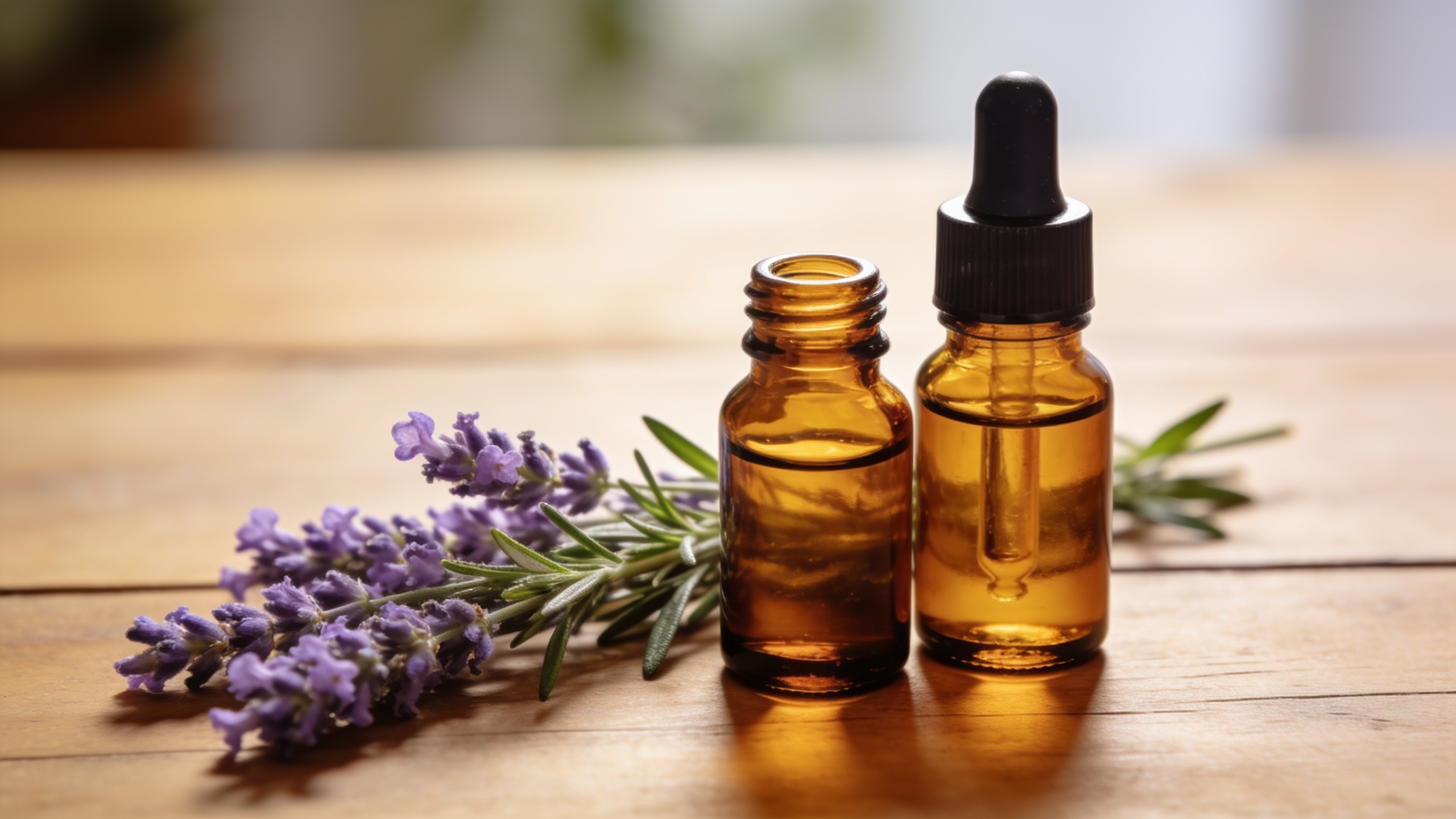
Plants produce certain compounds specifically to fend off infection, deter pests, or attract pollinators — essential oils are a concentrated extract of exactly those compounds, sometimes described as the plant's own defense chemistry.
Extraction methods matter more than most shoppers realize. Steam distillation is the most common method, passing steam through plant material to carry volatile aromatic compounds into a condenser. Cold pressing, used mainly for citrus peels, mechanically extracts oil without heat. Both are considered "pure" — a solvent-extracted oil, by contrast, can carry trace chemical residue from the extraction process itself.
"Pure" on a label should mean a single-plant extract with nothing added — no synthetic fragrance, no carrier oil, no dilution. Reading the ingredient list (ideally just one Latin plant name) is the most reliable way to verify that claim, since "essential oil" isn't a strictly regulated labeling term everywhere.
Quality varies meaningfully by growing region, harvest timing, and extraction care — which is part of why prices for the same oil can differ so widely between brands.