Growing Organic Products
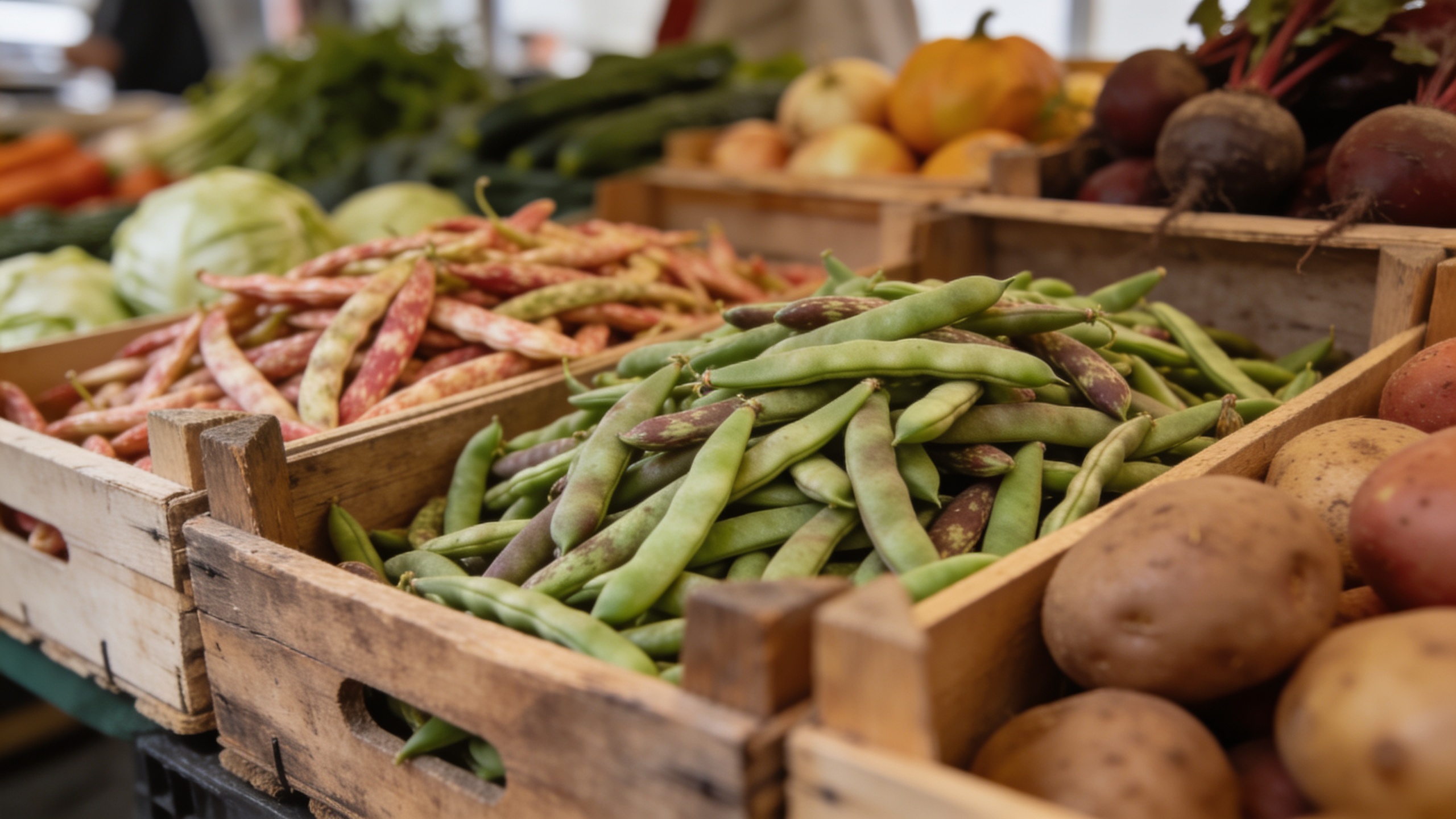
A large part of organic agriculture is really soil science — the health of the soil and the ecosystem around it, more than any single input applied to a plant.
Certified organic crops have to be grown using methods that minimize soil erosion and maintain or improve fertility over time — cover cropping, crop rotation, and composting all play a role, rather than relying on a single synthetic fertilizer to do the work each season.
That approach pays off in ways that aren't always visible above ground. Healthy, biologically active soil holds water better, resists erosion, and supports the microbial life that makes nutrients available to plant roots — benefits that compound season over season rather than resetting each year.
No synthetic input replicates that complexity as well as a genuinely healthy soil ecosystem does. That's the real case for organic growing methods beyond the "no pesticides" headline: it's a different, longer-term relationship with the land itself.