The History of Soy
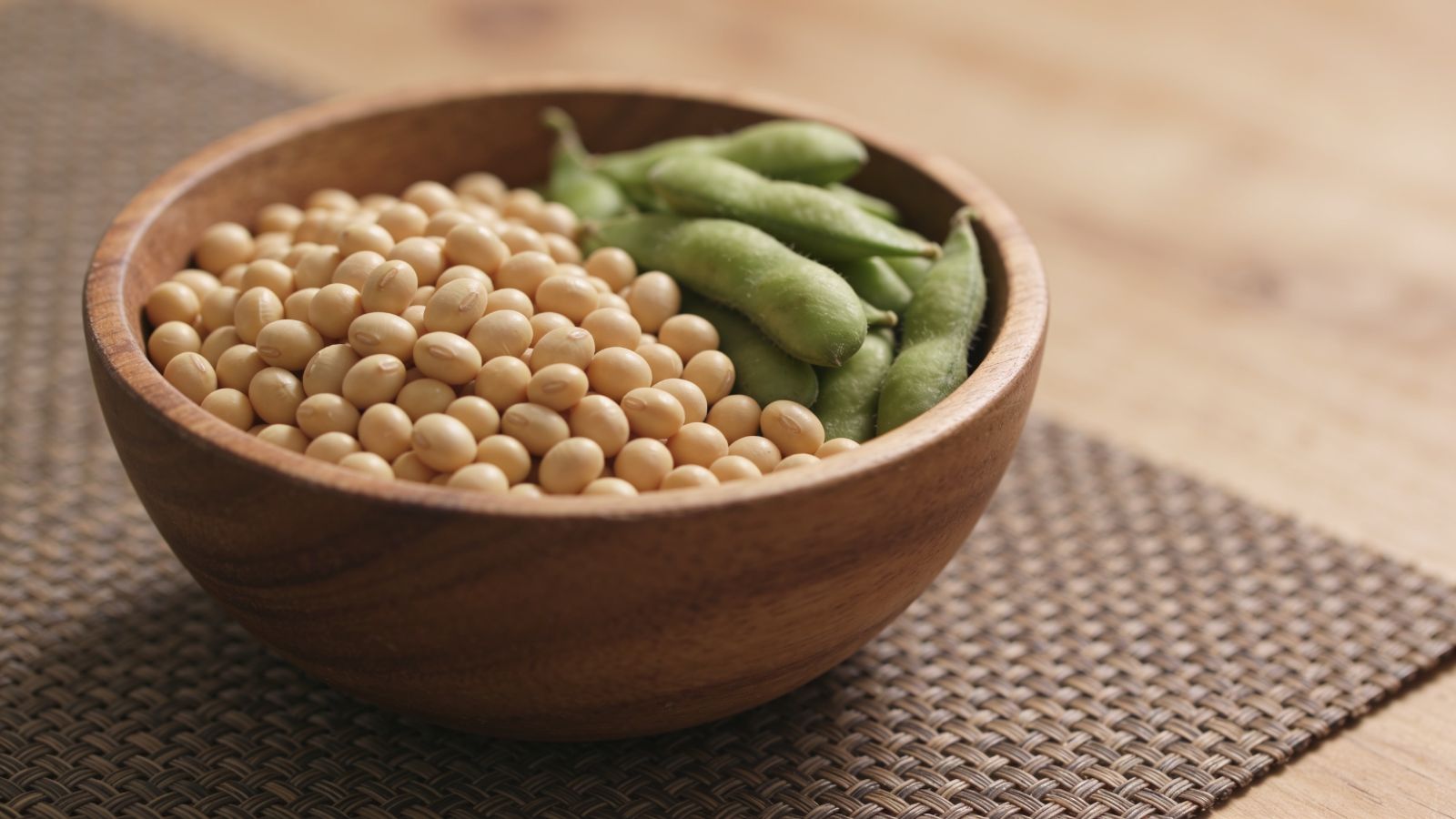
Few crops have traveled as far, or been put to as many uses, as the soybean. Domesticated in China thousands of years ago, it spread gradually across East Asia long before it ever reached the West — showing up as tofu, soy sauce, miso, and fermented pastes that remain kitchen staples today.
Soy didn't reach North America in a serious way until the 18th and 19th centuries, and even then it was grown mostly as forage for livestock rather than a food crop in its own right. That changed over the 20th century as processing technology caught up, turning soybeans into oil, meal, and eventually the plant-based protein products found in grocery aisles now.
Nutritionally, soy is one of the few plant proteins considered "complete" — containing all nine essential amino acids the body can't produce on its own — which is part of why it became a cornerstone ingredient for vegetarian and vegan diets.
Organic soy carries the same standards as any other organic crop: no synthetic pesticides, no genetic engineering, and verified growing practices — worth checking for, since a large share of conventional soy grown globally is genetically modified.