Laws Governing Organic Products
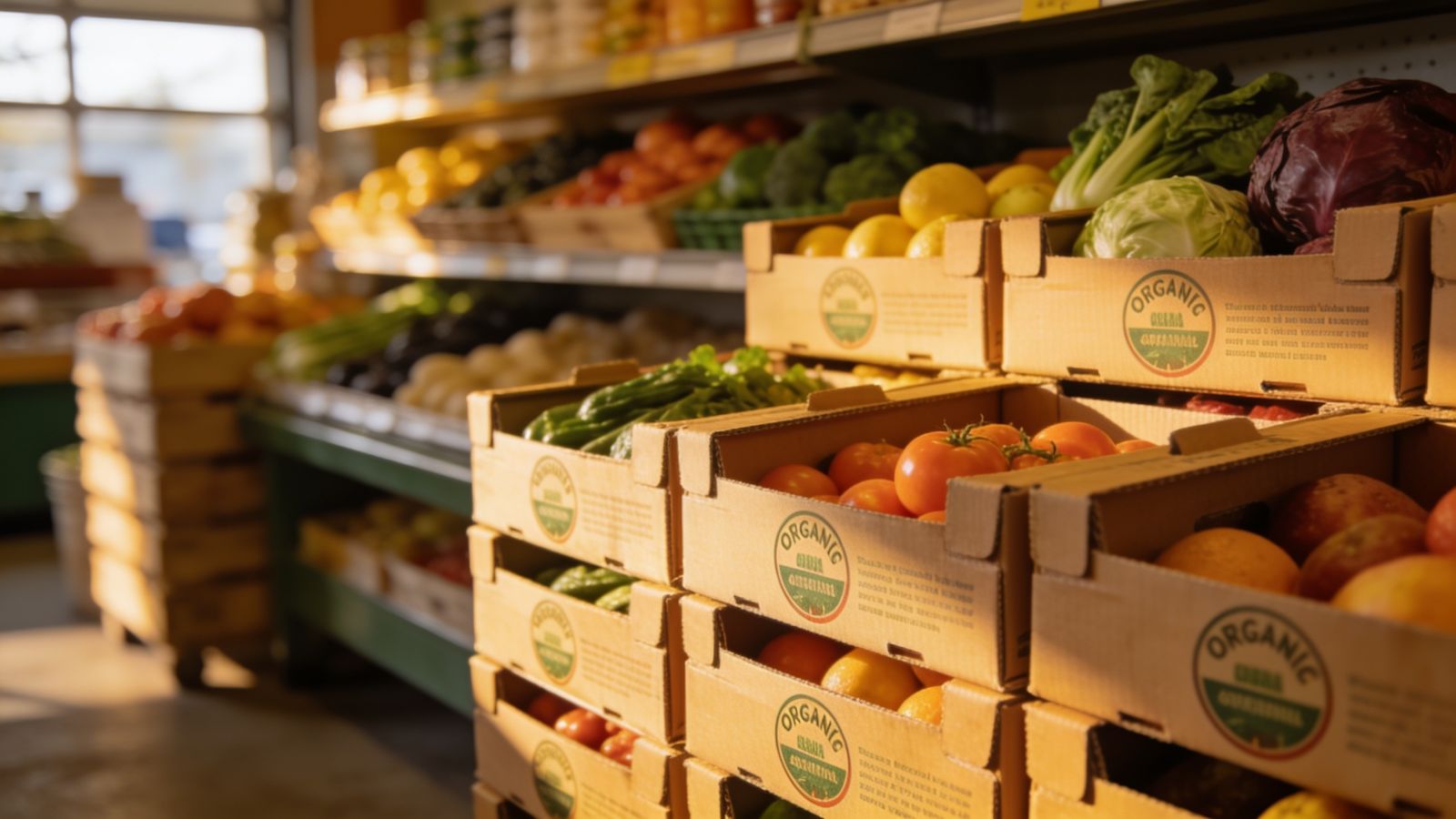
"Organic" wasn't always a regulated word. In the United States, it took an act of Congress — the Organic Foods Production Act of 1990 — and years of rulemaking after that to establish a single national standard, administered through the USDA's National Organic Program.
Before that framework existed, "organic" meant whatever the seller said it meant, with wide variation between regions and no consistent enforcement. The modern standard changed that: certifying agents now inspect farms and processing facilities against a defined rulebook before the seal can be used.
The rules cover more than what's sprayed on a crop. They govern soil management practices, buffer zones between organic and conventional fields, recordkeeping requirements, and how processed foods can combine organic and non-organic ingredients (and what percentage triggers which label — "100% organic" and "organic" are not the same claim).
Other countries and regions run their own certification systems — the EU, Canada, and Japan each have comparable frameworks, with mutual recognition agreements in some cases so a product certified in one place doesn't need to be re-certified from scratch to sell in another.
The takeaway for shoppers: the "organic" seal isn't a vague claim, it's a legal one, backed by an inspection process — which is exactly why it costs a certified farm real time and money to earn.