Guide
5 min read
List of Environmental Problems
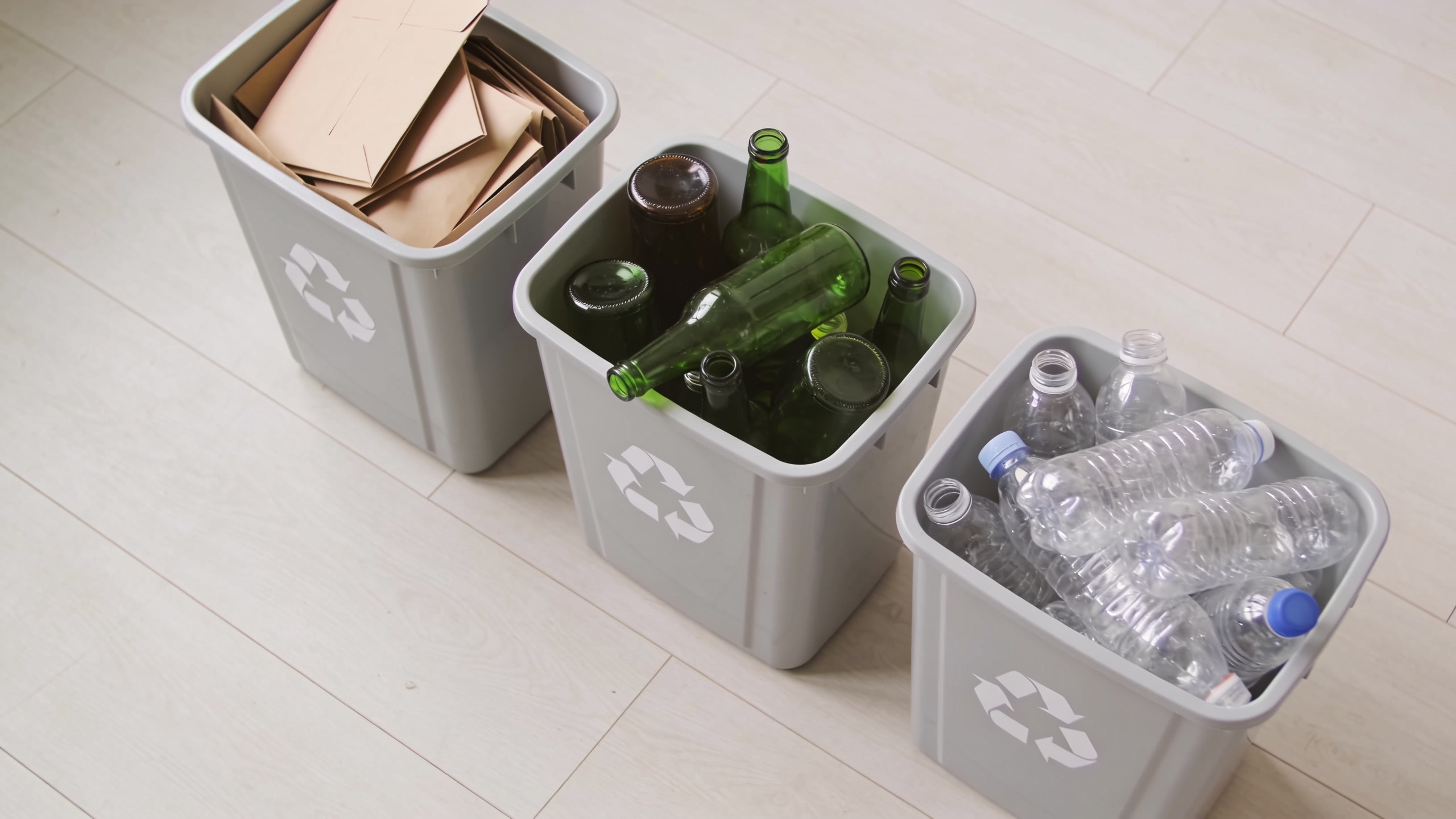
Environmental challenges rarely show up one at a time — most of the issues below compound each other. A quick overview of the major ones researchers and policymakers track:
- Climate change. Rising greenhouse gas concentrations are shifting long-term weather patterns, sea levels, and the frequency of extreme weather events.
- Deforestation. Clearing forest for agriculture, logging, or development removes carbon-absorbing tree cover and displaces wildlife habitat.
- Biodiversity loss. Habitat loss, pollution, and climate shifts are reducing species populations and, in some cases, driving extinction faster than new species can establish.
- Plastic pollution. Single-use plastic that isn't recycled or properly disposed of persists in oceans and waterways for decades, breaking down into microplastics rather than disappearing.
- Water scarcity. Growing demand from agriculture, industry, and households is straining freshwater supplies in many regions, some of which rely on aquifers that recharge far slower than they're drawn down.
- Air quality. Vehicle emissions, industrial output, and wildfire smoke all contribute to air pollution linked to respiratory illness.
- Soil degradation. Intensive farming without adequate rotation or cover cropping can strip topsoil of nutrients over time, reducing long-term agricultural yield.
These problems are large-scale by nature, which can make individual action feel beside the point. It isn't — sourcing organic, reducing single-use packaging, and supporting sustainable agriculture are all small levers against several of the items above at once.