Organic Cotton
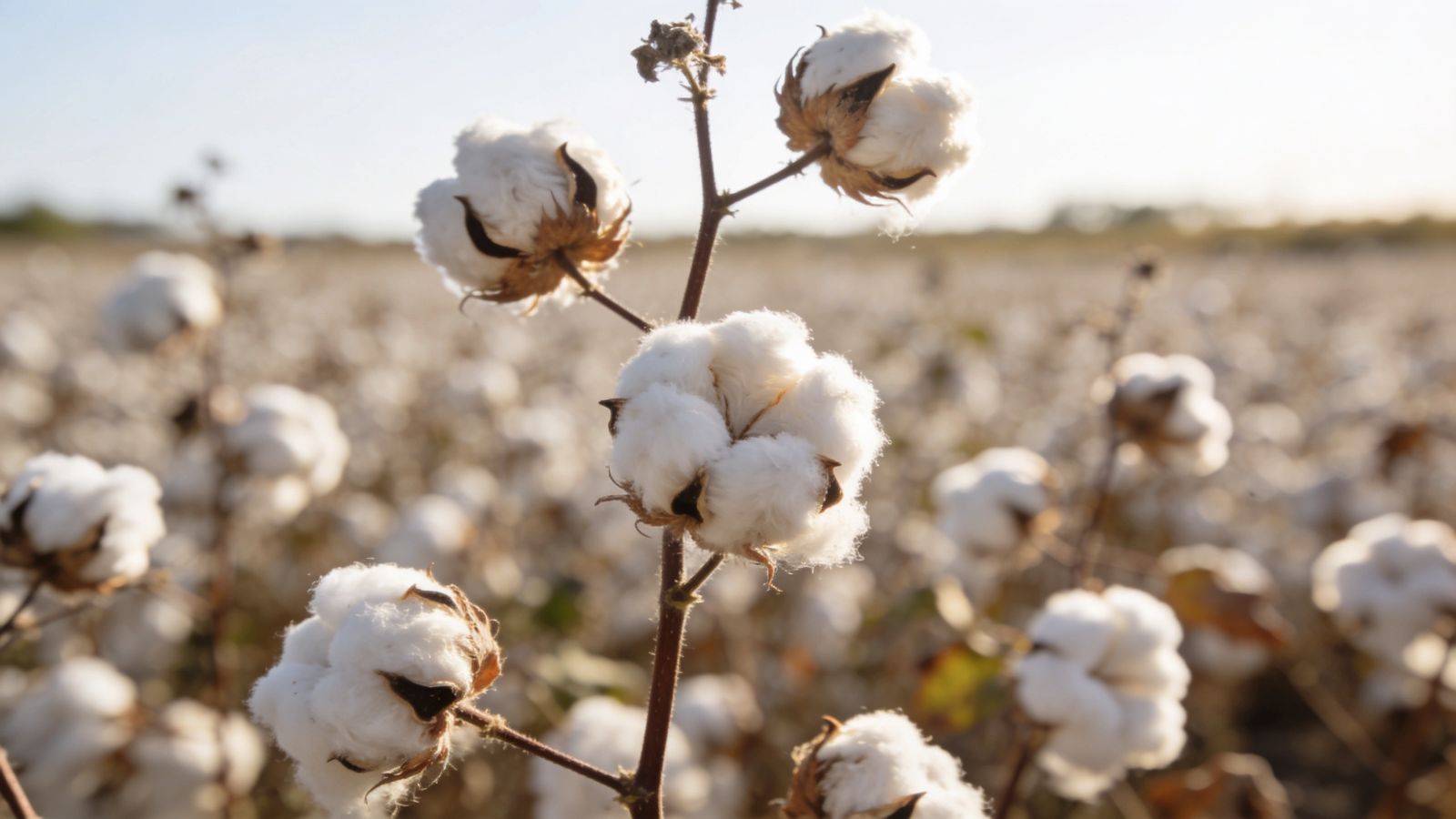
People are increasingly careful about what they put in their bodies, but what goes on the body gets far less scrutiny — even though skin absorbs chemical residue too, not just the digestive tract.
Cotton is one of the most pesticide-intensive crops grown worldwide. Conventional cotton fields are often sprayed multiple times over a growing season to manage insects and weeds, and residues from those treatments can persist in the finished fabric.
Beyond what stays on the fiber, conventional cotton farming's chemical inputs affect more than the wearer — runoff can carry pesticides and synthetic fertilizer into nearby water, soil, and air, extending the impact well past the field itself.
Organic cotton is grown without synthetic pesticides or fertilizers and without genetically modified seed, under the same certification framework that governs organic food. It typically costs more, reflecting a more labor-intensive, lower-yield growing process — but it closes the loop on a crop that otherwise carries an outsized chemical footprint from field to closet.