Sorting Through the Issues of Organic Milk
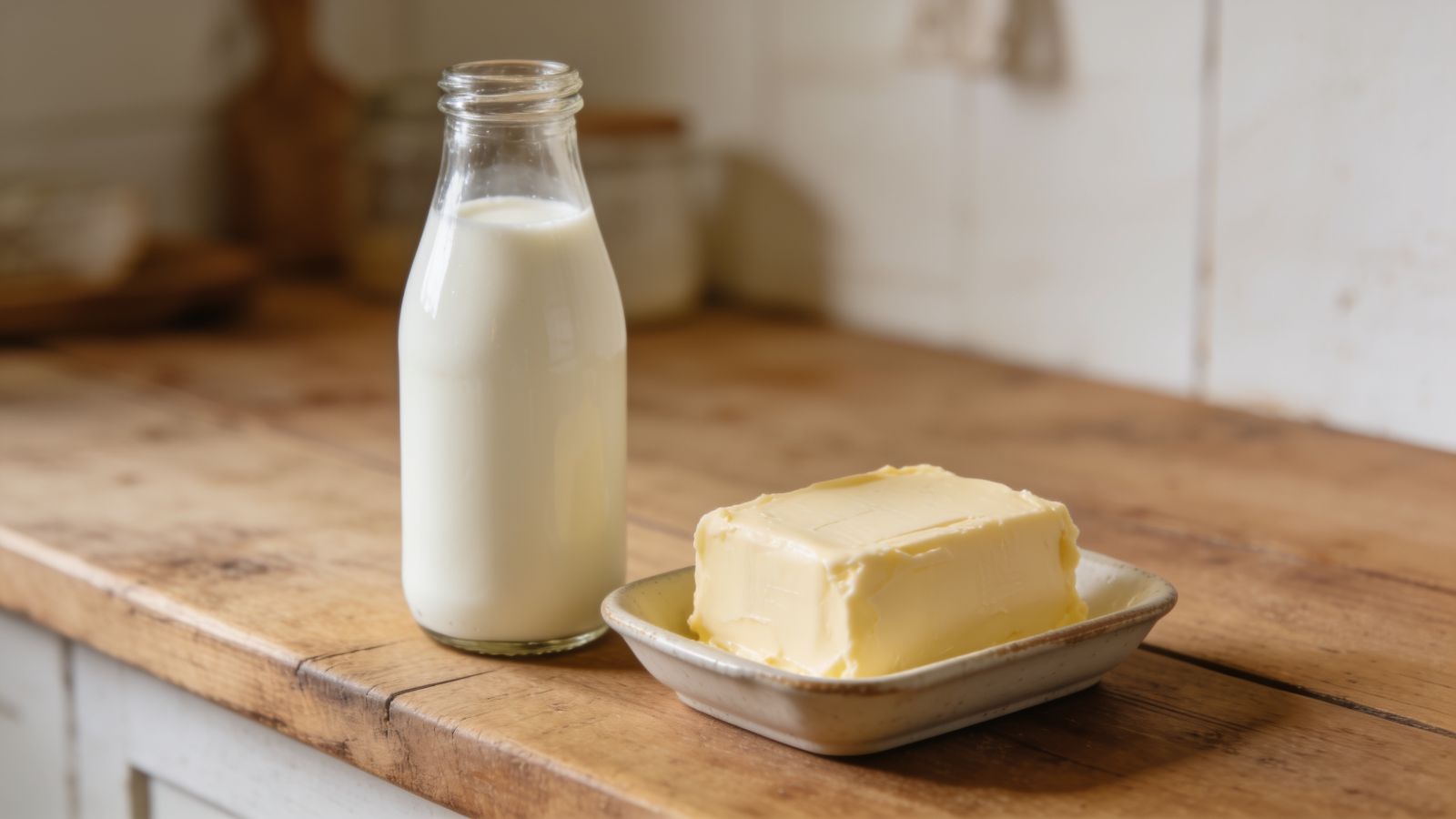
Milk is one of the more scrutinized items in the dairy aisle, and for good reason — the difference between conventional and organic milk comes down to a specific, checkable set of farming practices rather than a vague quality claim.
Organic dairy cows must have access to pasture for a meaningful portion of the year, eat only certified organic feed, and cannot be given synthetic growth hormones or routine antibiotics. If a cow needs antibiotics for a genuine illness, she's treated — but her milk can no longer be sold as organic afterward.
Conventional dairy operations aren't necessarily unsafe, but they operate under looser rules: synthetic feed additives, more confined housing systems in some operations, and permitted use of growth hormones in regions where that's still allowed.
The health difference between the two is genuinely debated in the research, and reasonable people weigh the evidence differently. What's clearly documented is the difference in the farming standard itself — which is often the more concrete reason shoppers choose one over the other.