Learn More About Organic Products
Most shoppers understand "organic" loosely — no synthetic chemicals, roughly speaking — without knowing the specific standards behind different product categories. A quick breakdown by type:
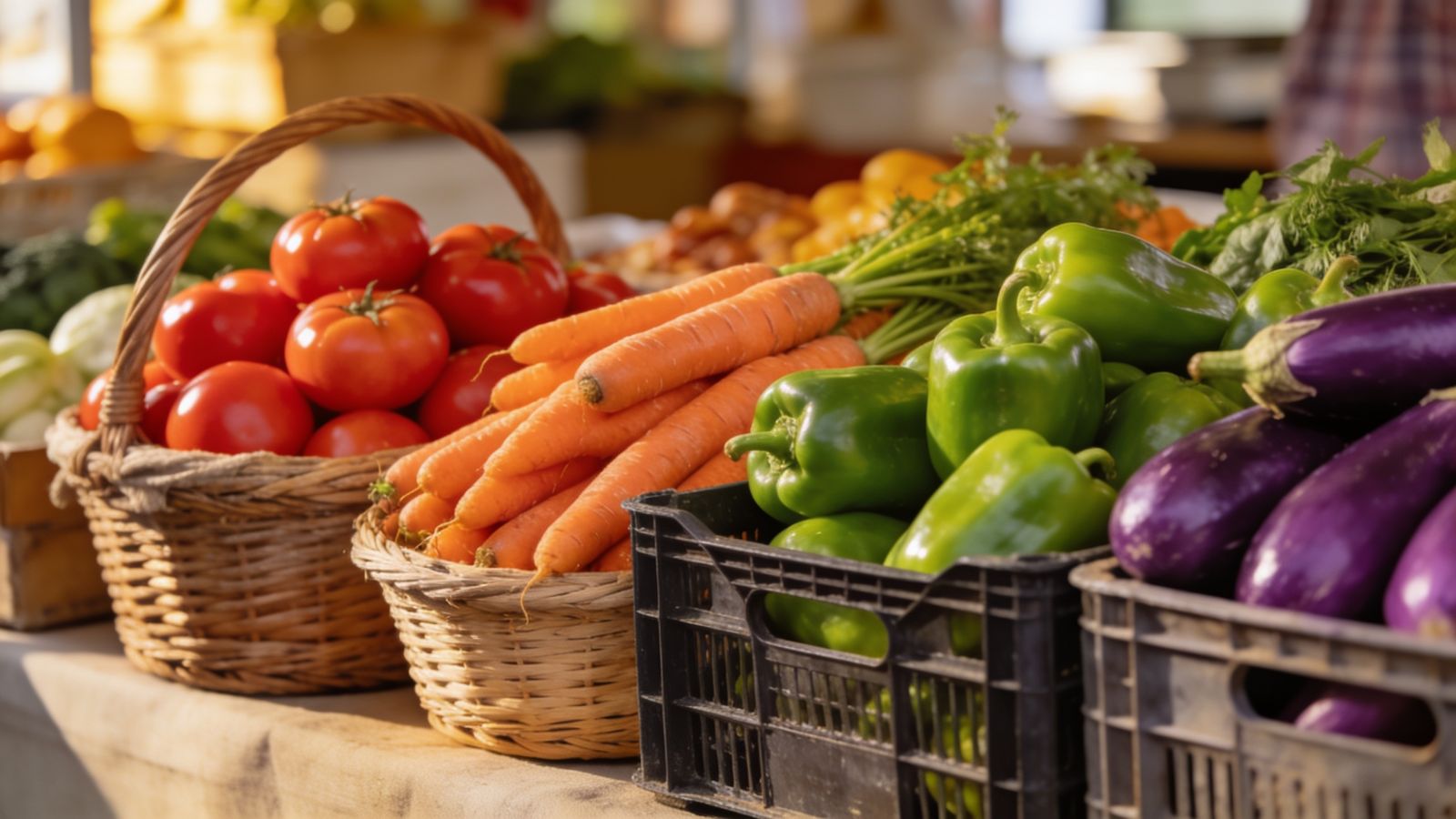
Fruits and vegetables must be grown without synthetic pesticides or fertilizers, in soil that's been free of prohibited substances for a set transition period before certification.
Meat, poultry, eggs, and dairy must come from animals raised without added growth hormones or routine antibiotics, fed certified organic feed, and — for grazing animals — given meaningful pasture access.
Processed foods follow tiered labeling: "100% organic" means every ingredient qualifies; "organic" allows a small percentage of approved non-organic ingredients; "made with organic ingredients" allows a larger share, with its own disclosure rules.
Distance from farm to sale varies by product and region — some categories are grown and sold close to home, others travel farther, same as any conventional product. The organic label speaks to growing practices, not necessarily to how far the item traveled to reach you.
Knowing these distinctions makes reading a label far more useful than treating "organic" as one uniform promise across every aisle in the store.